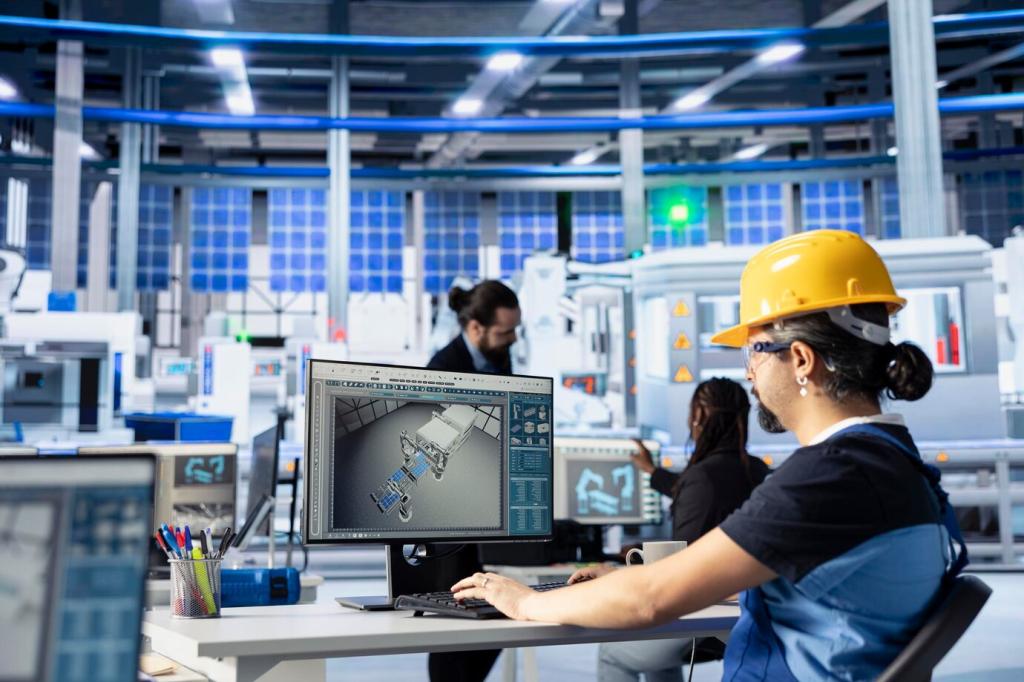

Space Optimization Techniques for Enhanced Efficiency

Welcome! Today’s chosen theme is Space Optimization Techniques for Enhanced Efficiency. Dive into field-tested ideas, human stories, and practical steps to transform every square foot into a purposeful, high-performing ally.

Core Principles That Turn Space Into Performance

Every area should be sized around its most frequent task. Measure volumes, cycle times, and reach zones, then pare back nonessential items. Purpose-driven sizing prevents sprawl, reduces motion waste, and helps people find what they need faster without cognitive overload.

Core Principles That Turn Space Into Performance

Packing more into less space is helpful only when retrieval remains effortless. Use golden zones for high-frequency items, medium reach for occasional tools, and deep storage for rare assets. The right balance cuts time lost hunting while preserving capacity.

Core Principles That Turn Space Into Performance

Sort, Set in order, Shine, Standardize, and Sustain turn cluttered areas into crisp workflows. A small design studio cut setup time in half by labeling drawers and creating fixed parking spots, proving maintenance beats square footage in day-to-day productivity.
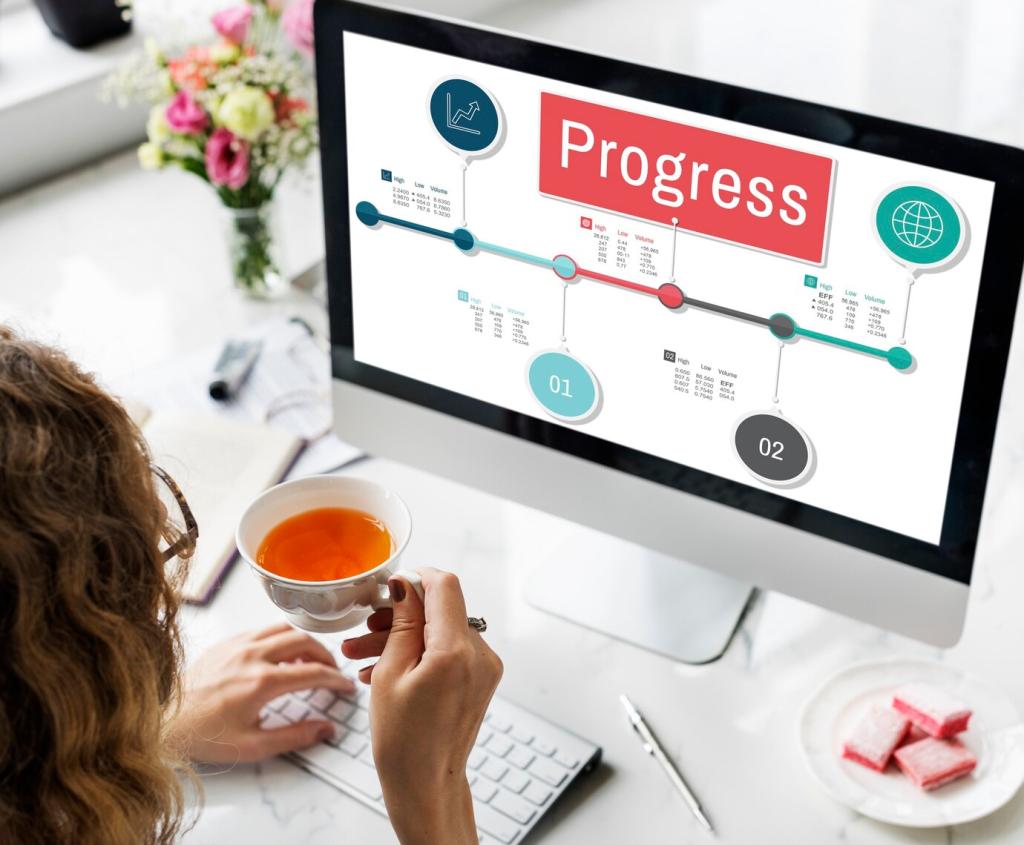

Data-Driven Layouts and Diagnostics

Spaghetti Diagrams and Gemba Walks

Trace actual movement paths across a floor plan to expose crisscrossing, backtracking, and bottlenecks. Pair the map with on-the-floor observations to capture the truth behind delays. Then test alternate paths with tape and markers before committing to permanent changes.

Occupancy Analytics and Heatmaps

Simple counters or sensors show which rooms sit empty, which shelves stay full, and which desks are always taken. Weekly heatmaps highlight underused corners ripe for repurposing. Share your surprising hotspot or cold zone with us and inspire the community.

Rapid Prototyping With Digital Twins

Model your space in a basic digital twin, even a scaled spreadsheet or simple CAD. Shuffle zones, simulate routes, and test stocking levels virtually. A nonprofit used this approach to fit a lending library into one room while doubling access speed.

Modular and Flexible Infrastructure

Put tasks on wheels and use floor power rails or overhead drops to eliminate cord chaos. Teams can roll stations together for sprints, then park them aside for quiet work. Mobility converts dead corners into productive pop-up zones within minutes.

Modular and Flexible Infrastructure

Shelves that change height and depth absorb seasonal peaks without new furniture. One warehouse reduced overflow by re-slotting fast movers to chest height and compressing slow movers higher. Quick adjustments created a safer pick path and freed an entire aisle.

Verticality and Hidden Storage

Use pegboards, French cleats, and overhead racks to keep tools visible yet off surfaces. Mark silhouettes for quick returns. A bike shop reclaimed workbenches by moving maintenance kits to a wall grid, reducing cleanup time and accidental tool hoarding.

Maintenance and Continuous Improvement

Schedule a 15-minute Friday reset. Count orphan items, review hotspots, and capture one improvement. Small, steady wins outpace heroic makeovers. Subscribe to get our printable audit checklist and refresh prompts tailored to tiny apartments, workshops, and busy offices.
Ipauthorlive
Privacy Overview

This website uses cookies so that we can provide you with the best user experience possible. Cookie information is stored in your browser and performs functions such as recognising you when you return to our website and helping our team to understand which sections of the website you find most interesting and useful.